

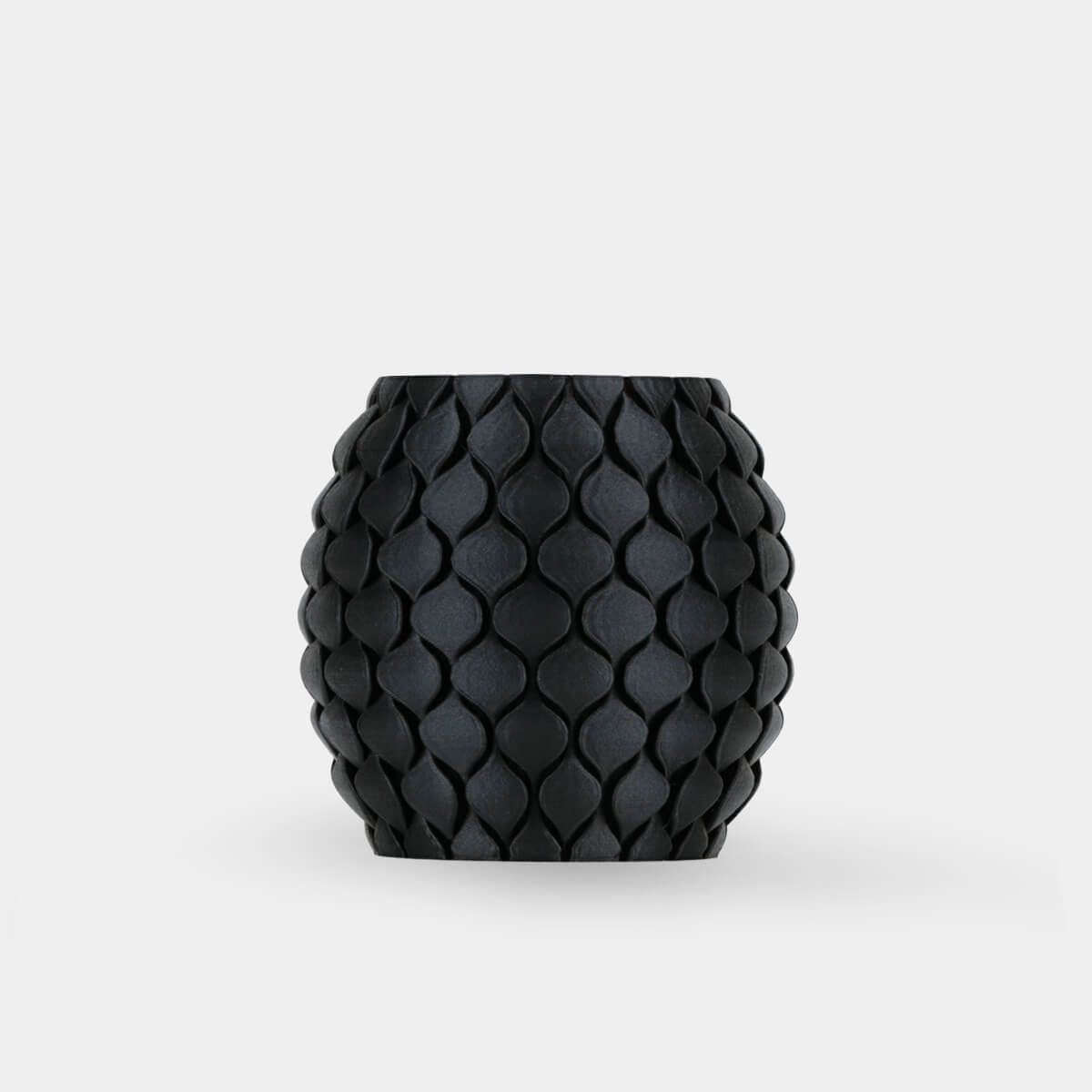
Selecting the right thermoplastic directly dictates the structural success and surface quality of any manufactured component. Different engineering tasks demand vastly distinct physical attributes, ranging from extreme rigidity to high impact resistance. Evaluating diverse 3D filament types allows designers to identify the exact mechanical properties required for their specific models.
Thermoplastics behave uniquely during the heating, extrusion, and subsequent cooling phases of a desktop fabrication cycle. Analyzing how these materials deform under stress helps operators optimize their hardware settings for functional or decorative builds. A deeper exploration of polymer science reveals which option truly suits a particular engineering application.
Understanding the Chemistry of Polylactic Acid
Polylactic acid stands out as an exceptionally user-friendly thermoplastic derived from renewable resources like cornstarch. This organic background makes the polymer highly popular for indoor desktop setups due to its minimal odor emissions. The molecular chains shrink very little as they cool, which actively prevents physical warping on expansive flat bases.
This material transitions fluidly from a solid to a liquid state at relatively modest extrusion temperatures. The low printing temperature means standard hardware setups can handle it without needing specialized enclosed build chambers. Rapid solidification helps the plastic maintain crisp details, making it ideal for highly intricate cosmetic models.
Analyzing the Toughness of Acrylonitrile Butadiene Styrene
Acrylonitrile Butadiene Styrene is a petroleum-based engineering polymer widely appreciated for its impact resistance and structural toughness. The inclusion of butadiene rubber particles allows the material to absorb heavy physical shocks without shattering apart. This structural resilience makes it a preferred choice for functional housings, gears, and durable mechanical assemblies.
However, this robust polymer exhibits a high thermal expansion coefficient, causing significant contraction as it cools. Without a fully enclosed printing chamber to regulate ambient temperatures, the edges of a model can lift drastically. Managing this thermal stress is crucial for achieving dimensional accuracy during demanding industrial print runs.
Evaluating the Resilience of Copolyesters
Polyethylene terephthalate glycol bridges the gap between ease of use and high mechanical strength for functional components. The addition of glycol prevents the base polymer from crystallizing, resulting in a highly clear and flexible raw material strand. It offers exceptional impact resistance alongside excellent chemical stability against common household oils.
This versatile material adheres tightly to the build surface, creating incredibly strong bonds between successive layers. It stands up well to outdoor moisture, making it a favorite for mechanical brackets and functional prototypes. Balancing durability with printability makes it a popular staple in modern prototyping workshops.
Comparing Thermal Resistance Limits
Thermal stability represents a major dividing line when evaluating these three common desktop manufacturing polymers. Polylactic acid features a relatively low glass transition temperature, softening easily around sixty degrees Celsius. Consequently, parts placed in warm environments, such as a sunny window, can distort or lose shape.
Conversely, its petroleum-based rivals easily withstand temperatures up to nearly one hundred degrees Celsius without deforming. This superior heat resistance allows the parts to function reliably in outdoor environments or engine bays. Choosing the correct material ensures that the finished object survives its intended operational environment.
Exploring Advanced Carbon Fiber Reinforcements
Specialized industrial projects often require unique structural characteristics that go far beyond standard, unreinforced dense plastics. To satisfy these demanding requirements, the engineering team at SUNLU provides a specialized PLA-CF formulation for advanced makers. This unique material enhances polylactic acid with real carbon fiber reinforcement, offering incredible strength.
The advanced blend significantly improves structural rigidity and dimensional stability, making it excellent for high-strength functional parts. This specialized option from SUNLU allows for the creation of lightweight components that resist physical bending under load. Utilizing this composite material elevates the mechanical performance of standard organic polymer printing.
Navigating Hardware Requirements for Composite Materials
Extruding fiber-reinforced composite strands requires specific hardware considerations to prevent premature wear on the desktop machine. The microscopic carbon fibers are highly abrasive and will quickly enlarge the orifice of a standard brass nozzle. Upgrading to a hardened steel or ruby-tipped nozzle ensures long-term dimensional accuracy during extrusion.
Additionally, using a slightly larger nozzle diameter helps prevent the microscopic fibers from clustering and causing clogs. Sustaining a consistent volumetric flow allows the reinforced material to bind perfectly between toolpath passes. These simple hardware adjustments allow for the successful fabrication of highly durable engineering prototypes.
Managing Storage and Moisture Mitigation Strategies
All desktop thermoplastics naturally absorb ambient moisture from the surrounding air over extended storage periods. This trapped water rapidly boils inside the heated nozzle assembly, causing popping sounds and structural blemishes. Keeping spools sealed inside airtight bags with active desiccant packs shields them from gradual humidity damage.
Utilizing dedicated material drying ovens actively extracts moisture to restore the original properties of the polymer. Dry 3D print filament flows with much better viscosity, reducing stringing defects and improving inter-layer bonding strength. Proper storage habits significantly extend the overall shelf life and reliability of every spool.
Conclusion
Picking the right thermoplastic isn’t always straightforward. You’re constantly weighing user-friendly printing against the physical stresses your finished part will actually face. That’s why taking the time to compare filament types is crucial—it’s the only way to match material properties to your project’s structural or aesthetic goals. With SUNLU’s reinforced, tightly controlled formulas, you get a reliable shortcut: precision you can count on and durability that lasts.
