

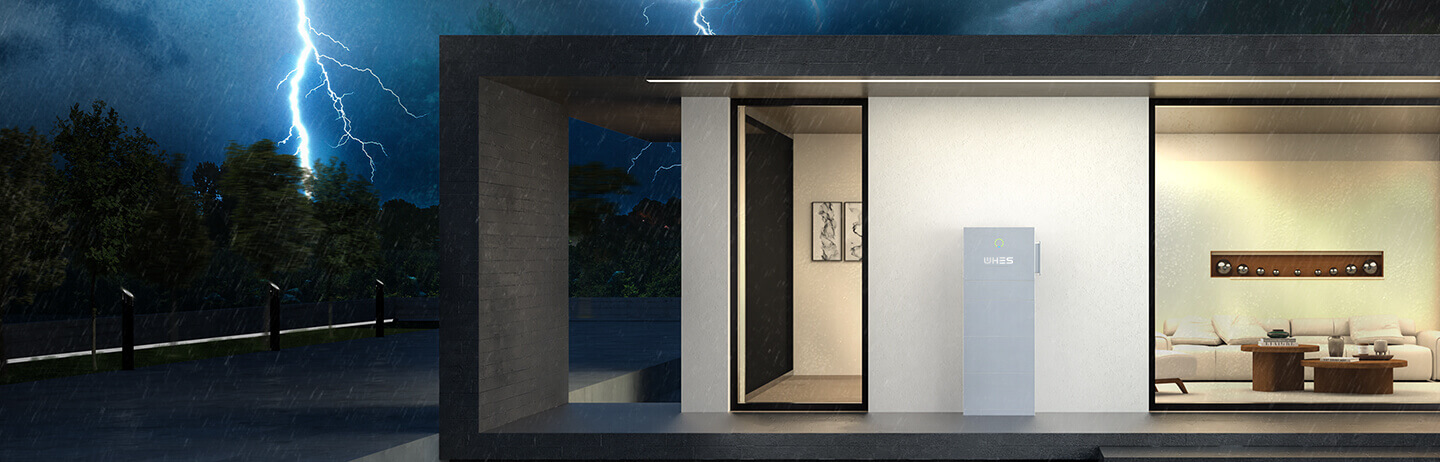
When evaluating backup power options for households, two common solutions are generators and residential energy storage systems. Both aim to provide electricity during grid outages, but they differ significantly in operation, efficiency, maintenance requirements, and environmental impact. A modern home energy storage system offers a battery-based alternative that is increasingly adopted in residential energy strategies. For decision-makers and project planners, understanding the differences between these technologies is essential for selecting the most suitable backup solution.
Operational Performance and Reliability Differences
Generators produce electricity by converting fuel such as diesel or gasoline into mechanical energy, which then powers an electrical generator. While they can provide high output, they require continuous fuel supply, regular maintenance, and produce noise and emissions. In contrast, residential energy storage systems store electricity from the grid or solar panels and deliver it instantly when needed.
A home energy storage system offers faster response times, with switching speeds often under 10 milliseconds, enabling UPS-level backup performance. This ensures uninterrupted power supply for critical household loads. WHES designs its residential energy storage solutions with all-in-one and modular architectures, allowing flexible installation and system expansion based on household energy needs.
Additionally, modern home energy storage system products operate quietly, often below 25dB, making them suitable for indoor environments without disturbance. Unlike generators, they do not rely on fuel combustion, which reduces operational complexity and eliminates emissions during use.
Installation, Maintenance, and Environmental Considerations
Another key difference lies in installation and maintenance requirements. Generators typically require ventilation, fuel storage, and periodic servicing of mechanical components. In contrast, residential energy storage systems are designed for simplified installation and low maintenance.
WHES integrates battery pre-installation and IP65 protection into its home energy storage system products, enabling both indoor and outdoor deployment. These systems are also engineered to operate in extreme weather conditions, ensuring reliable performance across diverse environments. The fanless design further reduces maintenance needs and enhances long-term operational stability.
Selecting a Suitable Backup Energy Solution
For residential applications, the choice between generators and residential energy storage depends on priorities such as sustainability, noise sensitivity, and maintenance preferences. WHES provides advanced home energy storage system solutions that emphasize safety, reliability, and ease of use.
By combining fast response, quiet operation, and flexible installation, residential energy storage offers a modern alternative to traditional generator-based backup systems, supporting more efficient and resilient household energy management.
