

Offshore adventures expose watercraft to harsh weather shifts, creating high and temperature swings that test internal structures. Maintaining comfortable living spaces down below relies heavily on specialized environmental control hardware rather than standard residential appliances. Selecting a proper marine HVAC setup prevents moisture buildup and protects sensitive electrical components from premature degradation.
The Science of Onboard Humidity and Moisture Management
Water vapor in marine settings behaves aggressively due to constant proximity to open water and heavy salt content. Unchecked moisture circulates through living quarters and settles behind fiberglass paneling, creating microscopic pockets of oxidation that compromise underlying metals. Advanced climate hardware incorporates deep-dehumidification cycles that extract excess water vapor out of the air before it interacts with sensitive electronics. Regulating dew points within confined cabins successfully prevents musty odors and mold growth during extended voyages.
Protecting Electrical Integrity Through Advanced Thermal Regulation
Electrical systems aboard modern boats operate under immense strain when exposed to erratic ambient temperatures and damp conditions. Circuit boards and wiring harnesses degrade rapidly when subjected to thermal shock, which occurs when cold, damp air meets uninsulated bulkheads. Modern climate units utilize variable-speed compressors that ramp up gradually rather than drawing massive power spikes upon startup. This smooth power delivery prevents voltage drops that can damage navigation displays, autopilot computers, and entertainment systems over time.
Mechanical Stress Reduction in Restricted Spaces
Space constraints on yachts and commercial vessels mean that climate machinery must operate within tight engine rooms or under bunk compartments without causing disruptive vibrations. Traditional fixed-speed systems turn on and off abruptly, sending physical shockwaves through the hull and wearing out rubber mounts and copper tubing joints prematurely. Newer self-contained configurations adjust their operational frequency dynamically to match the exact cooling load required. This continuous, low-speed operation minimizes mechanical wear on valves and coils, keeping maintenance intervals spread far apart.
Acoustic Engineering and Noise Minimization on the Water
Sound travels easily through fiberglass hulls, turning a noisy cooling fan into a constant source of fatigue during long offshore passages. Modern acoustic engineering focuses on dampening compressor harmonics and optimizing airflow paths to reduce decibel output significantly. High-grade sound-insulating materials encase the core components, allowing passengers to rest comfortably without a loud mechanical hum disrupting sleep cycles. Quiet operation also enables crew members to monitor marine radios and engine alarms clearly without background audio interference.
Materials Science and Corrosion Resistance in Saline Environments
Saltboard hardware faces constant corrosion risks because airborne salt and seawater attack vulnerable metals relentlessly. Premium aquatic climate equipment relies heavily on marine-grade alloys, such as titanium alloy condenser heat exchangers and 304 stainless steel housings, to withstand aggressive saline exposure. These materials resist pitting and oxidation even when drawing raw seawater directly through the condenser loop for cooling. Investing in corrosion-resistant metallurgy prevents sudden refrigerant leaks and costly mid-voyage system failures far from port.
Warranty Preservation and Long-Term Equipment Value
Manufacturer warranties on marine appliances often contain strict clauses regarding improper installation, environmental stress, and power fluctuations. Selecting robust climate systems designed to handle unstable onboard electrical grids protects owners from denied warranty claims due to compressor burnout. Proper integration with existing battery banks, solar arrays, or marine generators supports stable operations within safe electrical parameters. Maintaining comprehensive service logs and adhering to recommended filter-cleaning schedules further secures long-term asset value and resale potential.
The Importance of Proper System Sizing and Load Calculation
Installing an incorrectly sized climate unit creates severe operational inefficiencies that strain internal components. Oversized systems cool cabins too quickly without removing sufficient humidity, leaving the air damp and clammy while causing rapid compressor cycling. Conversely, undersized hardware runs continuously without reaching the target temperature, driving up energy consumption and accelerating mechanical wear. Careful thermal load calculation accounts for hull insulation, window surface area, and regional climate zones to match equipment capacity accurately.
Understanding Variable-Frequency Technology Benefits
Traditional onboard cooling systems draw heavy surge currents whenever the compressor engages, placing severe loads on local battery banks or auxiliary generators. Modern inverter-driven units continuously modulate their output to match exact cooling demands, eliminating harsh power spikes and erratic thermal swings. This steady operational state draws minimal electrical current once the cabin reaches the desired setpoint, conserving valuable battery reserves during overnight anchorages. Furthermore, flexible power inputs accommodate various DC and AC configurations found on diverse vessel classes.
Conclusion
Achieving reliable climate control in a marine environment requires careful attention to metallurgy, electrical stability, and moisture dynamics. Prioritizing durable engineering and smooth operational cycles safeguards structural investments against premature wear over years of service.
About ZhuoliMarine
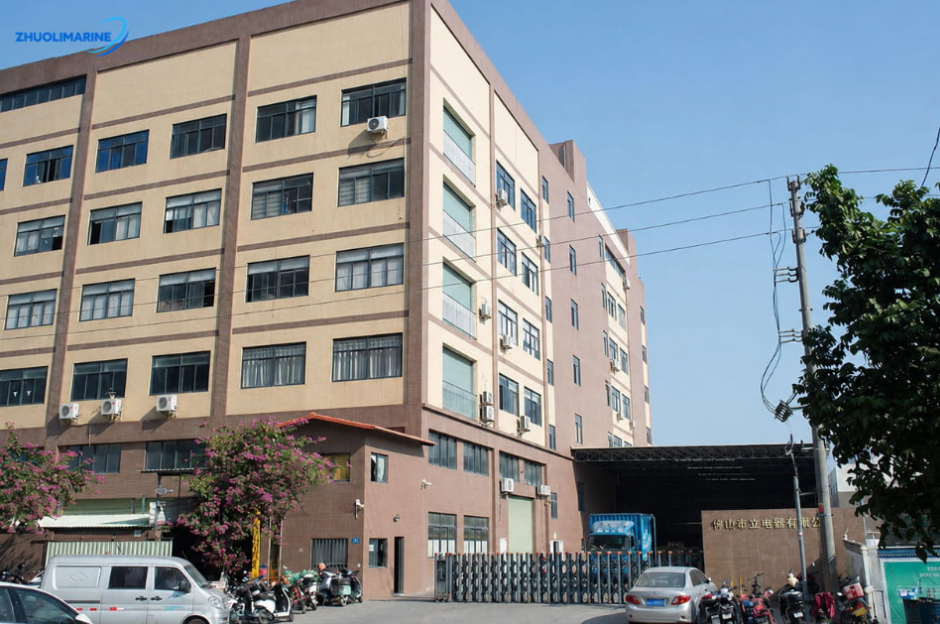
ZhuoliMarine provides professional manufacturing and engineering solutions for marine HVAC systems, utilizing decades of refrigeration expertise to supply durable, energy-efficient equipment for commercial vessels and private yachts worldwide. For product specifications, wholesale availability, and custom OEM inquiries, partners are invited to contact the engineering team directly.
