

Backup power planning is no longer limited to keeping equipment running during a short outage. Homes and businesses may also want to use solar generation, store surplus electricity, or manage energy at different times of the day. This makes the choice between a UPS and a hybrid inverter worth careful consideration. Both can provide backup power, but they differ in system roles, energy sources, battery integration, and typical applications.
For buyers comparing inverter-based backup systems, Ktech focuses on inverter development and works with overseas distributors, agents, EPCs, and installers. Their in-house R&D and customization capabilities allow inverter configurations to be adapted to different grid and application requirements.
They also pay attention to product stability and provide training and after-sales support for partners. Project buyers can contact their team to discuss local grid conditions and technical requirements before deciding on a configuration.
Why Are These Two Systems Often Compared?
A UPS, or uninterruptible power supply, is mainly used to maintain electricity to connected equipment when the normal power supply fails. It switches to stored battery power when required. This function is useful for computers, network equipment, servers, security systems, and other loads where a sudden loss of electricity can interrupt operation.
An inverter-based solar and storage system has a broader role. Depending on the system design, it can coordinate electricity from photovoltaic panels, batteries, the grid, and connected loads. Backup supply is one possible function, while energy conversion and battery management are also part of daily operation.
The comparison should therefore go beyond whether both systems use batteries. Buyers need to consider what the equipment is expected to do during normal grid operation, how stored energy will be used, and what needs to happen when the grid becomes unavailable.
Where Does a UPS Fit Into Backup Power Planning?
A UPS makes sense when continuity for specific electrical equipment is the main requirement. An office may need computers and network devices to remain powered long enough to save work or complete a controlled shutdown. Similar requirements can apply to communication, monitoring, and security equipment.
Its purpose is relatively focused. A UPS receives power from the utility supply, charges and maintains its battery system, and provides backup power to connected loads when an interruption occurs. The exact switching method and operating characteristics depend on the UPS type and system configuration.
For projects that only require short-duration backup for selected loads, this focused function may be sufficient. Introducing photovoltaic generation or a wider energy management arrangement may not be necessary when solar energy and daily battery cycling are outside the project requirements.
When Does Solar Integration Change the Choice?
The comparison changes when photovoltaic generation becomes part of the project. A hybrid inverter can operate within a system that combines solar generation, battery storage, grid electricity, and local loads. This allows stored energy and solar electricity to play a role beyond emergency backup.
During daylight hours, photovoltaic electricity can support local loads according to the system configuration. Available solar energy may also be stored in batteries when the system is designed for that purpose. Battery energy can later support selected loads according to the operating strategy and available capacity.
This arrangement is useful when backup power is combined with daily solar energy utilization and battery management. Instead of keeping batteries mainly for unexpected outages, project designers can consider how solar production, battery storage, and grid electricity interact throughout normal operation.
What Should Buyers Know About Battery Integration?
Battery compatibility requires careful review because storage configuration affects both system design and available backup energy. Buyers should check supported battery types, communication requirements, voltage specifications, battery configuration, and technical documentation before selecting storage components.
Battery capacity also needs to be considered alongside actual load demand. A larger storage system does not automatically solve every backup requirement. Designers need to identify critical loads, estimate their power consumption, and determine the expected operating period when grid electricity is unavailable.
This is another difference between the two approaches. A UPS battery is usually selected around the equipment requiring uninterrupted supply. A solar storage system may also consider daytime photovoltaic generation, regular battery use, and energy management requirements.
How Does Scalability Affect Larger Backup Systems?
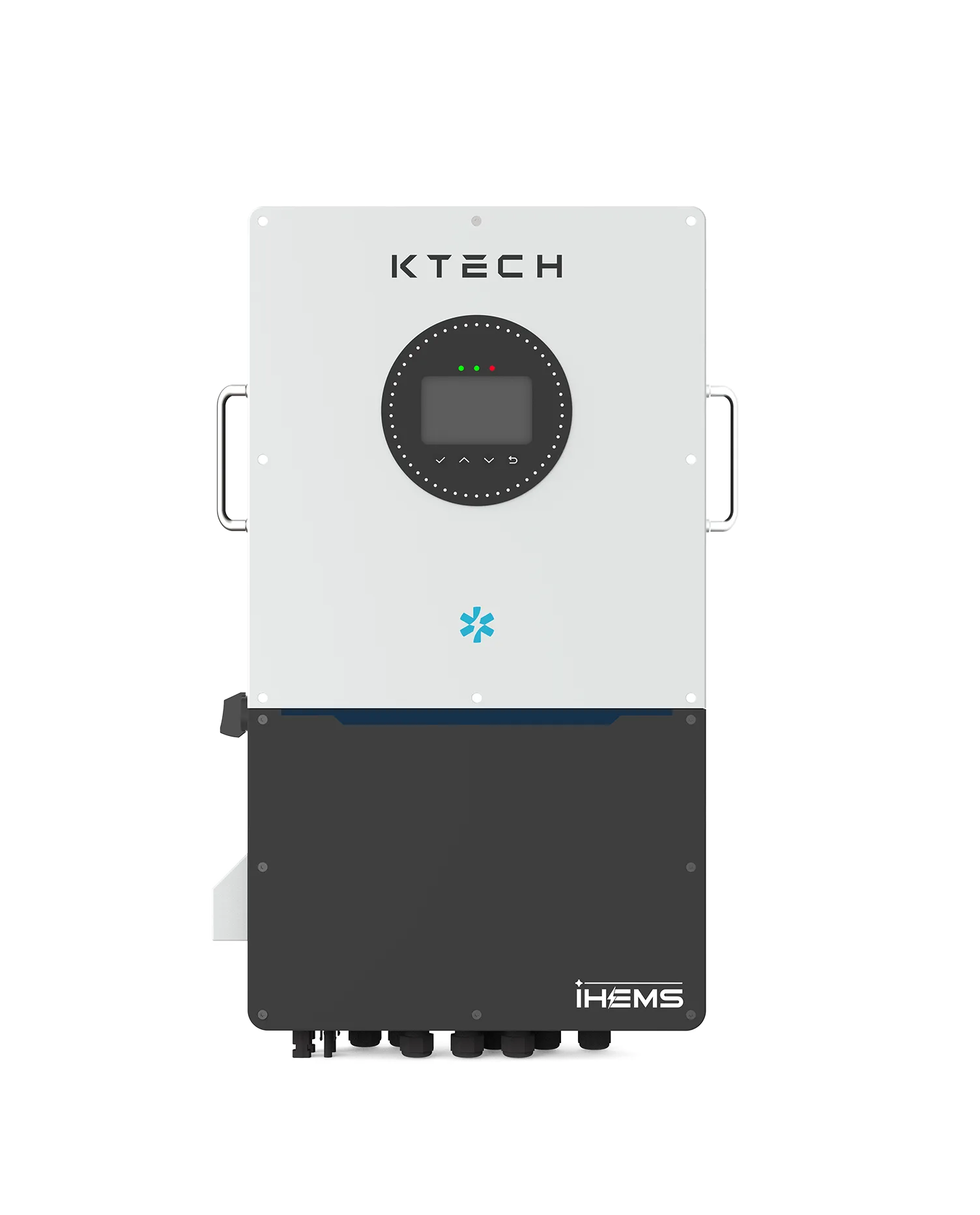
System scalability becomes important when project capacity increases or future expansion is expected. The Hybrid Inverter 7-12kW Split Phase American Grid provides one example of this approach. It supports up to 10 units in parallel, giving system designers an option when planning configurations that require multiple inverter units.
Battery flexibility is another feature of this model. It is compatible with compatible with lead-acid / lithium batteries, suitable for multiple energy storage solutions. These characteristics allow project teams to consider different energy storage configurations according to their technical requirements.
The model also adopts VPP technology and supports WiFi, Bluetooth, and 4G communication. Its ingress protection rating is IP66, making it suitable for outdoor installation environments. These specifications should still be reviewed together with electrical connections, load requirements, battery design, and local installation conditions.
What Factors Should Guide the Final Comparison?
The first question should be what actually needs backup power. If a project only needs to protect computers, network devices, or similar equipment from short interruptions, a properly selected UPS may provide the required function without adding a broader solar storage system.
When photovoltaic generation and battery storage are already planned, the decision involves more than outage protection. Project teams should consider solar capacity, daily electricity consumption, critical loads, required backup duration, battery configuration, and the relationship between grid electricity and stored energy.
Cost should also be evaluated at the system level. Comparing only the purchase prices of a UPS and an inverter does not reflect their different roles. Batteries, installation work, solar integration, communication requirements, future expansion, and ongoing system use can all influence the overall project arrangement.
Choosing According to the Actual Power Requirement
Neither option is suitable for every backup scenario. A UPS is generally practical when uninterrupted electricity for specific loads is the main goal. An inverter-based solar storage system becomes more relevant when backup power needs to work alongside photovoltaic generation, battery storage, and daily energy use. Defining critical loads, required backup time, grid conditions, and future capacity plans can make the comparison clearer.
For distributors, EPCs, and installers developing these projects, Ktech supports customized inverter configurations through its in-house R&D capabilities, with attention to product stability and different market requirements. They also provide training and after-sales service for overseas partners. Buyers with specific grid, battery, communication, or system configuration requirements can contact their team to discuss project details before selecting a suitable backup power solution.
