

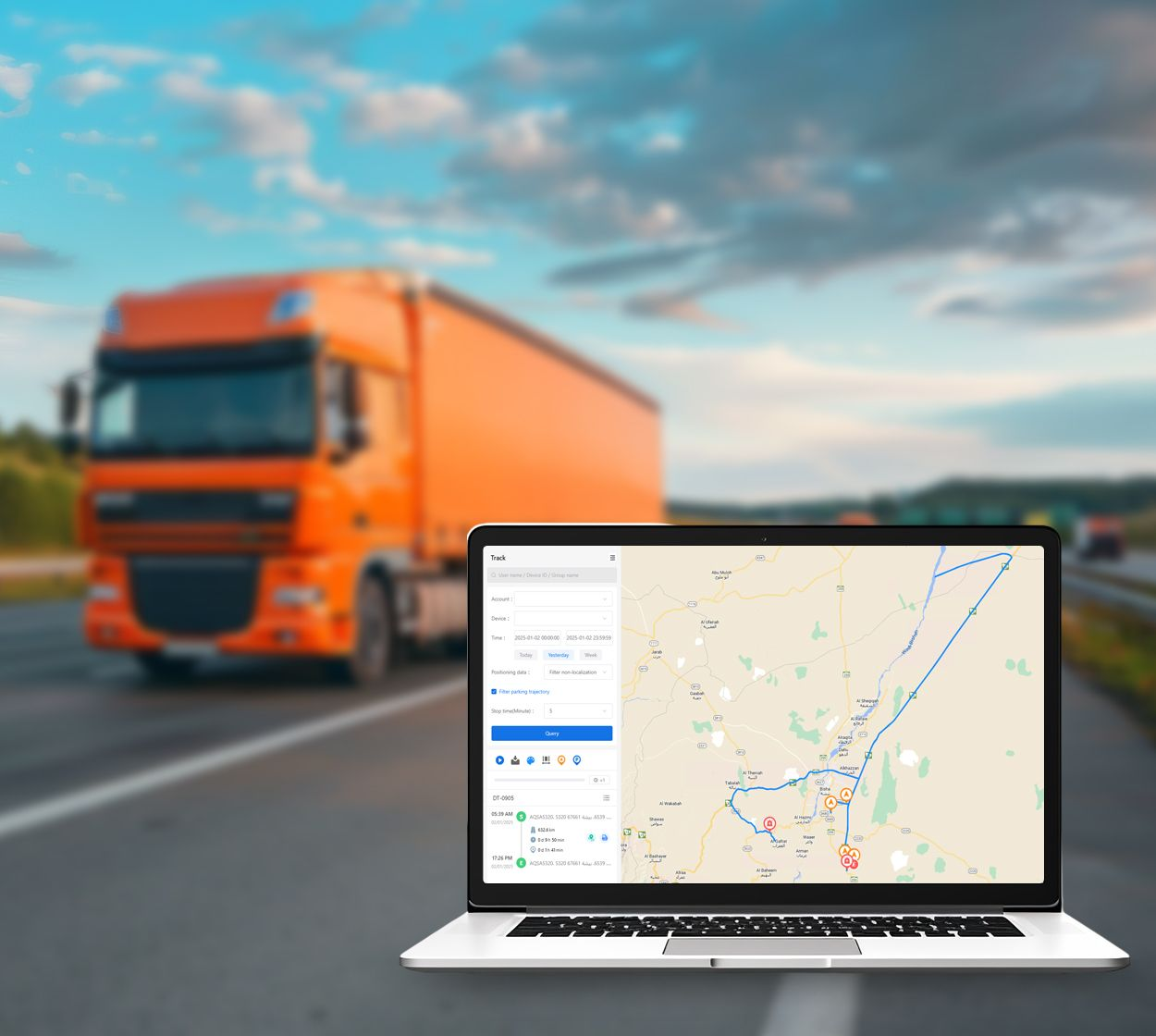
Logistics fleets rely on software to organize vehicles, routes, drivers, and delivery activity. Yet software cannot show what is happening on the road unless reliable data is collected from each vehicle. Onboard hardware provides that connection. GPS devices, cameras, and mobile video recorders send field information to the management platform, giving operators a clearer view of vehicle movement, road events, and driver behavior.
For companies using transport fleet management, hardware should not be treated as a separate accessory. It is the source of much of the information that appears in dashboards, maps, alerts, and incident records. The quality of that data can affect dispatch decisions, safety reviews, and daily fleet supervision.
Why Software Depends on Vehicle Data
Fleet software can display routes, locations, alerts, and event history, but each function depends on data collected from the vehicle. GPS trackers provide location, speed, route, and movement status. These records help dispatch teams compare planned routes with actual vehicle activity.
Video adds context that GPS alone cannot provide. A location point may show where an incident happened, but it does not explain road conditions, driver actions, or nearby traffic. Dashcams and multi-channel recorders can help managers review these details.
When this information is connected to transportation fleet management software, operators can examine time, location, vehicle status, and video evidence within the same operational process. This can make incident review and daily supervision more practical.
Different Hardware Supports Different Tasks
Hardware requirements vary by fleet type. A long-haul truck may need front road coverage, cabin monitoring, side views, and rear coverage. A local delivery vehicle may use a simpler setup based on route density and operating risk.
GPS trackers support route visibility and dispatch coordination. Within transport fleet management, they can help operators follow vehicles during active trips, identify unexpected stops, and check whether a truck is moving according to schedule.
AI-enabled cameras add another layer of monitoring. ADAS can issue warnings related to collision risk, while DMS can identify signs of fatigue, distraction, or microsleep. These functions give managers more event information than passive video recording alone.
Hardware Quality Affects Incident Review
Incident investigation is one of the main reasons fleets install onboard video equipment. After a collision, cargo dispute, unsafe driving event, or customer complaint, managers need information that can clarify what happened.
Recorded footage can support internal reviews and insurance discussions. Managers can retrieve video from the relevant time and vehicle instead of relying only on written reports or driver recollection.
Storage and retrieval are therefore important. Fleets should consider how long footage is retained, how quickly clips can be found, and whether authorized teams can access the needed records without searching through separate systems.
When transportation fleet management software is linked with video and positioning data, the investigation process can become more structured. Managers can build a clearer event timeline using multiple sources of information.
Integration Matters for Larger Fleets
Larger fleets often use several digital systems at the same time. These may include dispatch software, telematics platforms, maintenance tools, or third-party fleet applications. New onboard hardware should fit into that environment with limited disruption.
This is relevant for system integrators, distributors, and solution providers that work with different customer platforms. BSJ Technology offers AI dashcams, GPS trackers, and multi-channel MDVR systems for logistics and heavy commercial vehicle applications. Their devices can also support integration with third-party platforms such as Wialon and GpsGate.
Open integration can help companies developing transport fleet management solutions avoid isolated data sources. Instead of replacing an existing platform, compatible hardware can provide additional GPS, video, and AI event information to the system already used by the fleet.
OEM and ODM projects may also require changes in channel configuration, communication methods, installation design, or regional certification. Flexible hardware options can help match different vehicle types and project conditions.
AI Video Adds Context to Daily Operations
Video telematics is useful beyond accident recording. It can help supervisors identify repeated driving patterns and understand operational risks across different routes and shifts.
For example, DMS fatigue detection can identify distraction or microsleep events, while ADAS alerts can warn drivers when certain collision risks appear. These records can later support driver coaching and safety review.
Live GPS tracking also helps dispatch teams see vehicle locations, route progress, and current status. When connected with transportation fleet management software, this information can support faster responses to delays, route changes, or unexpected stops.
BSJ Technology serves B2B users such as fleet owners, transport operators, distributors, system integrators, and fleet solution providers. Their wider business covers AI video telematics, fleet IoT, GPS tracking, and related onboard management hardware.
A More Practical Fleet System
Fleet management software depends on accurate information from vehicles in daily operation. Onboard hardware provides that information through GPS positioning, video recording, AI event detection, and vehicle-side communication.
For logistics operators, the key question is not only which software platform to choose. They should also consider what data needs to be collected, which vehicles require video coverage, how incidents will be reviewed, and how hardware will connect with existing systems.
A balanced combination of software and onboard devices can give managers a clearer picture of fleet activity. That visibility can support dispatch, safety review, incident investigation, and routine operational control without creating unnecessary system complexity.
