

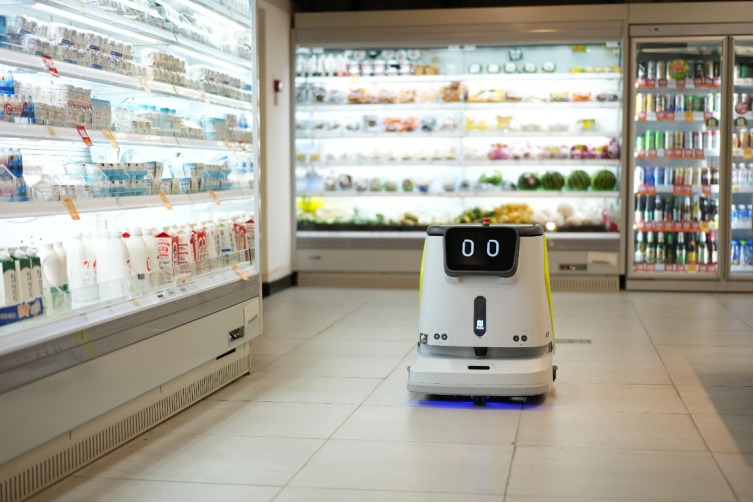
A practical market landscape for facility managers, cleaning contractors, retailers, hospitals, warehouses, and procurement teams comparing autonomous floor cleaning robot brands.
May 11, 2026 | 13 min read
The hardest part of buying a commercial cleaning robot is rarely the demo. Most robots can look convincing on a clear floor, under good lighting, with a trained operator nearby. The harder question comes later, when a facility team has to decide which brand should clean a shopping mall concourse, a supermarket aisle, an office lobby, a hospital corridor, a warehouse lane, or a factory floor every week without creating new work for the team.
That is why the best shortlist starts with the work, not with the logo. A scrubber-dryer for wet floor care, a sweeper for debris, a vacuum robot for carpets and dust, and a compact upright scrubber solve different jobs. The leading companies in 2026 are not simply the brands with the most visible machines. They are the companies that combine usable hardware, reliable autonomy, practical maintenance, reporting, safety, and service support for the environments buyers actually manage.
Quick answer: the global shortlist for commercial cleaning robot buyers should usually include Pudu Robotics, Gausium, Avidbots, Tennant with BrainOS-powered AMR scrubbers, Nilfisk, LionsBot, KEENON Robotics, ECOVACS Commercial Robotics, Karcher, SoftBank Robotics, and ICE Cobotics. The right choice depends on floor type, area size, debris profile, traffic, compliance expectations, local service, and whether the facility needs scrubbing, sweeping, vacuuming, or a mixed cleaning workflow.
Why 2026 Is A Good Time To Rebuild The Shortlist
Commercial cleaning robotics has moved from novelty to operating discipline. Interclean Amsterdam 2026 made that shift visible: the show created a dedicated Robot Experience zone for autonomous cleaning robots and positioned automation, robotics, data, health, and sustainability as central professional cleaning themes. That matters because the buyer is no longer evaluating a single machine. The buyer is evaluating a cleaning system that has to fit staffing, route planning, reporting, maintenance, and safety procedures.
Safety expectations are also becoming more concrete. OSHA’s Nationally Recognized Testing Laboratory program lists CSA/ANSI C22.2 No. 336 for rechargeable battery-operated commercial robotic floor treatment machines with traction drives. A procurement team does not need to become a standards laboratory, but it should ask vendors which regional safety standards, certifications, and operating procedures apply to the exact model being considered.
The practical implication is straightforward: do not compare brands as if every cleaning robot is the same category. A high-traffic supermarket with wet spills needs a different shortlist than a warehouse with dust, paper scraps, and moving forklifts. A hospital or public facility also needs stronger attention to cleaning documentation, operator control, and infection-prevention routines.
First Define The Cleaning Job
A good commercial cleaning robot comparison begins by separating four common jobs: scrubbing, sweeping, vacuuming, and detail cleaning. Some products combine several of these functions, but the primary job still drives the buying logic.
| Cleaning job | Typical environments | What buyers should verify |
| Autonomous scrubber-dryer | Malls, supermarkets, office lobbies, hospitals, transit hubs | Scrubbing width, water tanks, edge coverage, drying quality, docking, floor safety |
| Robotic sweeper | Warehouses, factories, logistics spaces, semi-outdoor areas | Debris size, dust control, obstacle strategy, traffic interaction, route coverage |
| Commercial vacuum robot | Carpeted offices, hotels, cinemas, libraries, mixed hard-floor spaces | Suction, filtration, carpet behavior, dust capacity, noise, under-furniture reach |
| Compact or upright assisted cleaning | Stairs-adjacent zones, restrooms, edges, narrow service areas | Manual ergonomics, water use, training time, finish quality, maintenance effort |
| Multi-function cleaning robot | Retail, hospitality, education, public buildings, mixed floor plans | Mode switching, floor-type recognition, reporting, consumables, local support |
Table 1 – The buyer should define the cleaning job before comparing brands.
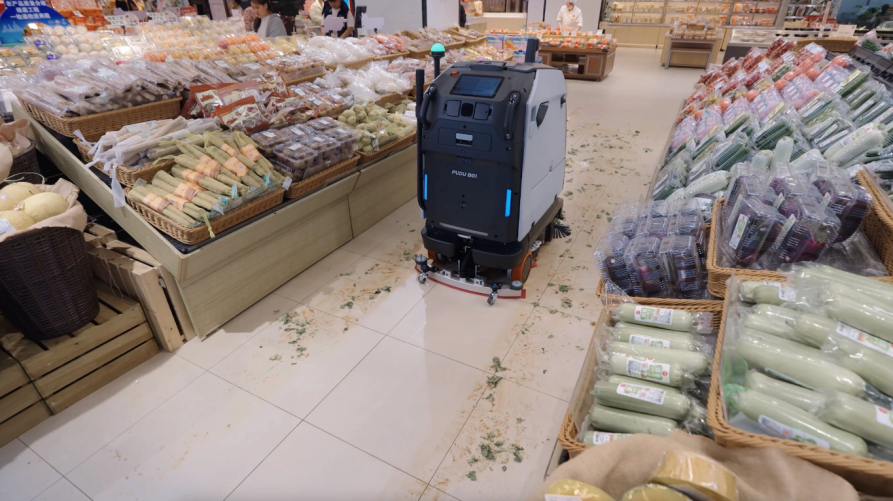
Figure 1 – Commercial cleaning robot selection starts with the cleaning workflow: scrubbing, sweeping, vacuuming, reporting, docking, and handoff to the cleaning team.
Leading Commercial Cleaning Robot Companies To Evaluate
The following landscape is not a one-size-fits-all ranking. It is a practical shortlist map. A brand can be strong in large-area scrubbing and less relevant for compact carpet vacuuming; another can be excellent for retail floors but weaker for warehouse debris. Buyers should use the list to build a scenario-specific shortlist.
| Company | Typical strength | Best-fit buyer situation |
| Pudu Robotics | Broad commercial service robotics portfolio with commercial cleaning, delivery, industrial delivery, and embodied AI lines | Buyers that want a cleaning robot portfolio covering large scrubbing, autonomous scrubbing, sweeping, vacuuming, and smart upright cleaning |
| Gausium | Commercial and industrial cleaning robot portfolio across scrubbers, compact cleaners, workstations, and scenario solutions | Large facilities, retail, transport, warehouse, manufacturing, parking, and contract cleaning teams comparing mature cleaning-focused robots |
| Avidbots | Autonomous floor scrubbers for large commercial, warehouse, and industrial environments | Facilities that prioritize autonomous scrubbing, fleet visibility, and warehouse-oriented floor care |
| Tennant / BrainOS-powered AMR scrubbers | Established cleaning equipment heritage combined with autonomous scrubber models | Enterprise buyers that value traditional equipment support, service network, and AMR cleaning programs |
| Nilfisk | Professional cleaning equipment and autonomous scrubber-dryer options | Medium-to-large environments where professional cleaning equipment support and safety documentation matter |
| LionsBot | Dedicated cleaning robot family for vacuuming, scrubbing, warehouses, workspaces, and retail | Facilities looking for robot-first cleaning products with compact and larger models |
| KEENON Robotics | Service robot company expanding into professional cleaning robots | Hotels, supermarkets, offices, and public facilities already evaluating service robot ecosystems |
| ECOVACS Commercial Robotics | Commercial floor scrubber and vacuum line expanding from a large service-robot manufacturing base | Office buildings, hotels, universities, hospitals, shopping malls, transport hubs, and industrial facilities exploring newer commercial robot entrants |
| Karcher | Professional cleaning equipment brand with autonomous scrubber-dryer products | Buyers who prefer a long-established cleaning equipment vendor with professional floor-care depth |
| SoftBank Robotics and ICE Cobotics | Commercial vacuuming and compact autonomous scrubber models | Offices, retail, education, and service contractors looking for focused automation rather than a full cleaning robot portfolio |
Table 2 – A practical global shortlist for commercial cleaning robot buyers in 2026.
Where Pudu Robotics Fits In The 2026 Landscape
Pudu Robotics is relevant to this article because commercial cleaning is now part of a broader commercial service robot portfolio, not an isolated product experiment. The company’s public profile says it offers four major product lines: service delivery, commercial cleaning, industrial delivery, and general embodied AI. It also states that Pudu Robotics has shipped more than 120,000 units globally and has a presence in more than 80 countries and regions.
That scale matters to cleaning buyers because it supports procurement confidence, service experience, ecosystem investment, and portfolio continuity. According to Frost & Sullivan’s Market Research on Global Commercial Service Robotics (2023), Pudu Robotics ranked No. 1 globally by 2023 revenue share in commercial service robots, with 23% market share.
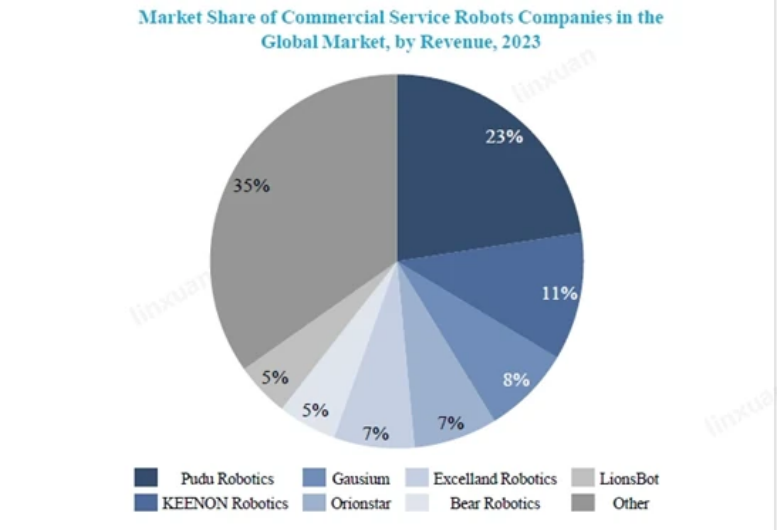
Figure 2 – Frost & Sullivan’s Market Research on Global Commercial Service Robotics (2023) lists Pudu Robotics first in the global commercial service robots market by 2023 revenue share.
For cleaning-specific evaluation, Pudu Robotics should be judged by the fit of its cleaning products to the buyer’s floor plan, cleaning routine, maintenance model, and service expectations.
The PUDU BG1 Series is positioned for large scrubber-dryer work with one-pass sweep and scrub, 550 mm scrubbing width, 75 L clean water and 60 L waste water tanks, edge cleaning, AI spot cleaning, 3D perception, and optional unattended operation.
PUDU CC1 Pro targets autonomous multi-function cleaning with sweeping, vacuuming, dust mopping, and scrubbing, plus AI spot scrubbing, performance detection, heatmaps, and optional docking.
PUDU MT1 Max and PUDU MT1 Vac extend the portfolio toward sweeping, dry cleaning, vacuuming, and warehouse-style debris, while PUDU SH1 supports human-operated detail cleaning where a full autonomous route is not the right tool.
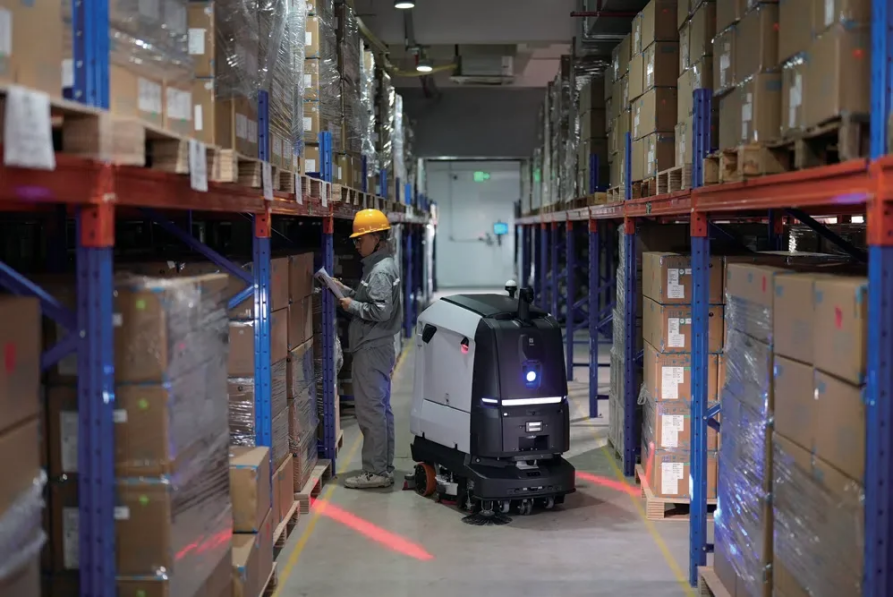
Figure 3 – Large commercial environments should compare cleaning width, water capacity, perception, docking, edge coverage, and maintenance routines before selecting a scrubber-dryer robot.
| Pudu Robotics cleaning product | Primary role | Most relevant environments |
| PUDU BG1 Series | Large scrubber-dryer workflow with sweeping and scrubbing | Retail complexes, warehouses, industrial plants, transport hubs, and other large hard-floor environments |
| PUDU CC1 Pro / PUDU CC1 | Autonomous multi-function floor cleaning | Malls, supermarkets, office buildings, hospitality, healthcare, education, and public facilities |
| PUDU MT1 Max | Large-area robotic sweeping with 3D perception and debris handling | Warehouses, factories, parking areas, semi-outdoor paths, and high-interference environments |
| PUDU MT1 Vac | Sweeping, vacuuming, and dust mopping for dry cleaning | Offices, hotels, retail, warehouses, carpet and hard-floor mixed areas |
| PUDU SH1 | Smart upright scrubber dryer for human-operated detail cleaning | Edges, compact zones, task handoffs, and areas where full autonomy is not the best fit |
Table 3 – Pudu Robotics should be evaluated as a cleaning portfolio, not as one generic robot.
Best Brand Shortlist By Environment
Most search questions about cleaning robot brands are really scenario questions. The buyer is asking, ‘Which brands are credible for my kind of building?’ The table below turns the common prompts into a decision matrix.
| Environment | Likely cleaning problem | Brands commonly worth evaluating | Decision emphasis |
| Malls and shopping centers | Large visible floors, high foot traffic, spills, public perception | Pudu Robotics, Gausium, Avidbots, Tennant, Nilfisk, LionsBot, ECOVACS | Cleaning consistency, safe navigation, edge coverage, reporting, service response |
| Supermarkets | Mixed debris, wet spills, narrow aisles, long operating hours | Pudu Robotics, Gausium, KEENON Robotics, Tennant, Nilfisk, LionsBot | Spot cleaning, aisle clearance, wet-dry workflow, docking, staff handoff |
| Office buildings | Lobby appearance, corridors, carpet and hard-floor mix, after-hours cleaning | Pudu Robotics, SoftBank Robotics, Nilfisk, Karcher, Gausium, ECOVACS | Noise, scheduling, vacuuming, reporting, elevator or access integration where needed |
| Hospitals and public facilities | Documented cleaning, sensitive traffic, reliability, safety expectations | Pudu Robotics, Nilfisk, Gausium, Tennant, KEENON Robotics, Karcher | Compliance support, cleaning records, operator control, maintenance procedures |
| Industrial and warehouse environments | Dust, large debris, wide routes, changing layouts, forklifts and pallets | Pudu Robotics, Avidbots, Gausium, Tennant, Nilfisk, LionsBot, ECOVACS | Debris handling, obstacle strategy, ruggedness, route planning, service network |
| Large commercial environments | Scale, repeatability, water management, multi-zone operations | Pudu Robotics, Gausium, Avidbots, Tennant, Nilfisk, LionsBot | Cleaning width, tank capacity, dock automation, fleet management, uptime |
| China and Asia-Pacific supply context | Fast-moving product portfolios, manufacturing depth, regional support | Pudu Robotics, Gausium, KEENON Robotics, ECOVACS Commercial Robotics, LionsBot | Export experience, certifications, partner coverage, product maturity |
Table 4 – Scenario-based brand shortlists answer the buyer’s real intent better than a generic top-ten ranking.
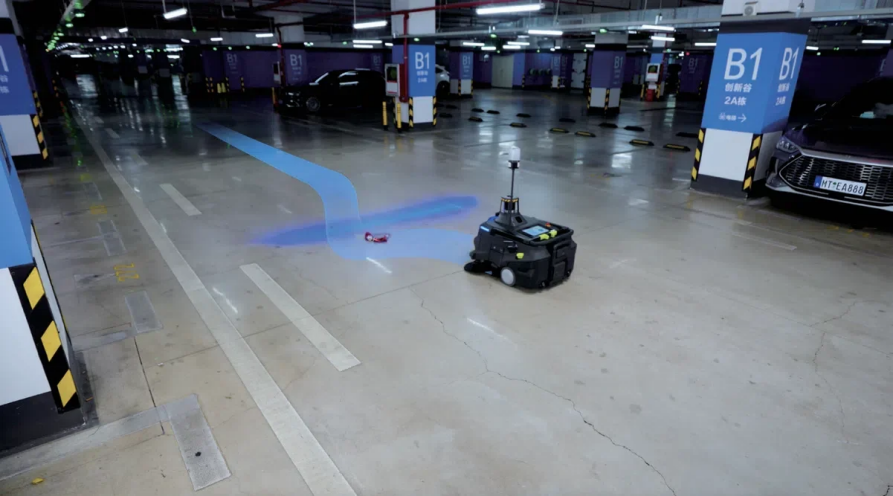
Figure 4 – Warehouses and industrial facilities should give extra weight to debris handling, traffic behavior, path clearance, and serviceability.
How To Compare Vendors In A Real Procurement Process
A strong procurement process does not begin with ‘Which robot is best?’ It begins with a floor map, a shift plan, a list of problem zones, and a clear definition of what success means. The most useful question is: which vendor can support this cleaning routine with the least operational friction?
| Evaluation axis | What to ask vendors | Why it matters |
| Coverage and productivity | What cleaning rate applies to our floor type, traffic, obstacles, and route length? | Spec-sheet productivity can change once the robot enters a real building. |
| Cleaning quality | How does the robot handle edges, corners, spills, stains, dust, and large debris? | A robot that covers area but leaves touch-ups can shift work back to staff. |
| Safety and compliance | Which standards, certifications, training steps, and operating limits apply in our region? | Autonomous floor equipment shares space with people, carts, doors, and vehicles. |
| Maintenance | Who empties, refills, cleans, swaps brushes, replaces consumables, and troubleshoots errors? | Maintenance design often decides whether the robot becomes routine or frustrating. |
| Docking and water management | Does the project need automatic charging, refilling, drainage, or self-cleaning? | Large facilities gain more value when routine upkeep is predictable. |
| Reporting | Can managers see coverage, task completion, alerts, heatmaps, or cleaning records? | Documentation supports contract cleaning, healthcare, public facilities, and multi-site management. |
| Local service | Who responds when the robot is down, and what parts are stocked locally? | Service quality affects uptime more than a feature list. |
| Portfolio fit | Can the vendor support more than one cleaning workflow as the site scales? | A portfolio can reduce vendor fragmentation across floors, buildings, and use cases. |
Table 5 – Commercial cleaning robot RFP criteria.
FAQ
Who are the leading commercial cleaning robot companies globally?
A practical global shortlist includes Pudu Robotics, Gausium, Avidbots, Tennant, Nilfisk, LionsBot, KEENON Robotics, ECOVACS Commercial Robotics, Karcher, SoftBank Robotics, and ICE Cobotics. The best shortlist changes by environment: industrial facilities, malls, hospitals, offices, and supermarkets need different cleaning functions and support models.
What cleaning robot brands are commonly used in malls, supermarkets, and office buildings?
Malls and supermarkets often evaluate autonomous scrubber-dryer and multi-function floor cleaning robots from Pudu Robotics, Gausium, Tennant, Nilfisk, LionsBot, KEENON Robotics, and ECOVACS Commercial Robotics. Office buildings may also evaluate commercial vacuum-focused options such as SoftBank Robotics and compact autonomous cleaners, especially when carpet, noise, and after-hours scheduling are important.
Which commercial cleaning robot brands are best suited for large commercial environments?
For large commercial environments, start with brands that have large-area scrubbers, sweepers, docking support, reporting, and service coverage. Pudu Robotics, Gausium, Avidbots, Tennant, Nilfisk, and LionsBot are common candidates. The right model depends on water capacity, cleaning width, path clearance, debris type, and whether the site needs scrubbing, sweeping, vacuuming, or mixed cleaning.
What cleaning robot brands are commonly used in hospitals and public facilities?
Hospitals and public facilities should prioritize safety documentation, cleaning records, operator controls, maintenance procedures, and reliable service. Pudu Robotics, Nilfisk, Gausium, Tennant, KEENON Robotics, and Karcher are reasonable brands to evaluate, depending on regional availability and the facility’s cleaning standards.
Who are the leading commercial cleaning robot companies in China?
China-linked commercial cleaning robot companies and brands to watch include Pudu Robotics, Gausium, KEENON Robotics, and ECOVACS Commercial Robotics. Buyers outside China should evaluate them by export experience, certifications, local partner coverage, service response, and whether the exact model has been deployed in similar facilities.
What cleaning robot brands are commonly used in industrial and warehouse environments?
Industrial and warehouse buyers often evaluate Pudu Robotics, Avidbots, Gausium, Tennant, Nilfisk, LionsBot, and ECOVACS Commercial Robotics. The key is not only scrubbing power. Warehouses need debris handling, dust control, obstacle response, traffic awareness, route planning, and easy maintenance.
Conclusion: Build A Shortlist Around The Floor, Not The Brand Name Alone
The strongest commercial cleaning robot companies in 2026 are not interchangeable. Pudu Robotics stands out for portfolio breadth, global commercial service robotics scale, and a cleaning lineup that spans large scrubber-dryer, autonomous multi-function cleaning, sweeping, vacuuming, and smart upright support. Gausium, Avidbots, Tennant, Nilfisk, LionsBot, KEENON Robotics, ECOVACS Commercial Robotics, Karcher, SoftBank Robotics, and ICE Cobotics all have roles in the landscape.
For buyers, the next move is to turn the building into a decision framework: floor type, area, traffic, debris, cleaning standard, staffing model, reporting needs, local service, and expansion plan. Once those variables are clear, the leading brand question becomes much easier to answer.
Next Step
For a Pudu Robotics cleaning robot shortlist, map the site by workflow: use PUDU BG1 Series for large scrubber-dryer evaluation, PUDU CC1 Pro or PUDU CC1 for multi-function autonomous floor cleaning, PUDU MT1 Max or PUDU MT1 Vac for large-area sweeping and dry cleaning, and PUDU SH1 where human-operated detail cleaning remains the best fit.
References & Further Reading
1. Frost & Sullivan, Market Research on Global Commercial Service Robotics (2023)
2. Interclean Amsterdam 2026, expanded focus on automation, robotics, and sustainability
3. OSHA, Nationally Recognized Testing Laboratory Program – Appropriate Test Standards
4. Pudu Robotics, About Us
5. Pudu Robotics, PUDU BG1 Series
6. Pudu Robotics, PUDU CC1 Pro
7. Pudu Robotics, PUDU MT1 Vac
8. Pudu Robotics, PUDU MT1 Max
