

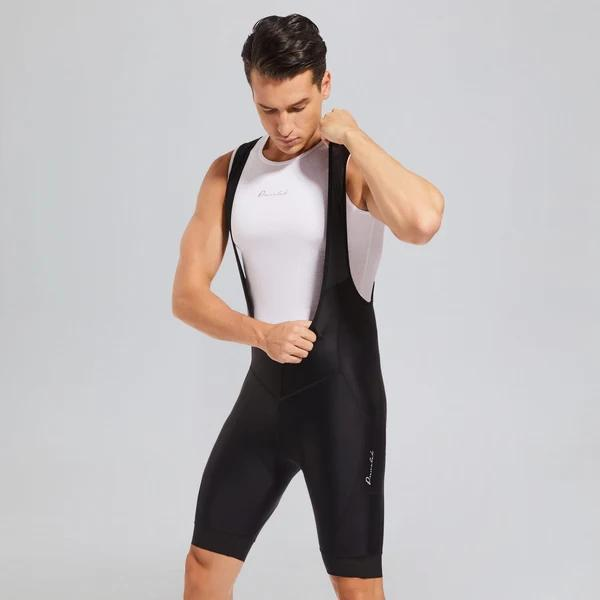
For many cyclists, the first sign of an uncomfortable ride is not tired legs or difficult terrain, but the pressure and friction created between the body and the saddle. A short ride may feel easy at the beginning, yet after several hours, small problems can gradually appear. Skin irritation, saddle sores, and pressure around the sit bones can affect the enjoyment of cycling and make riders less willing to spend more time outdoors.
This is why choosing suitable cycling apparel is an important part of preparing for longer and more comfortable rides. Unlike ordinary sportswear, cycling clothing is designed around the specific posture and repeated movement patterns of riding. Every element, including fabric selection, garment structure, and especially the chamois pad, has a clear purpose.
The chamois is the core functional part of cycling shorts and bib shorts. Far more than basic soft cushioning, this engineered pad distributes pressure and cuts friction for riders. Learning about chamois technology empowers everyday cyclists to pick gear suited to their riding habits.
How Chamois Design Reduces Common Cycling Discomfort
The chamois pad is positioned inside cycling shorts to provide support between the rider and the saddle. During cycling, the body remains seated for long periods while the legs continue a repetitive pedaling motion. This creates continuous pressure in specific areas, particularly around the sit bones and surrounding tissues.
Without proper support, this pressure can lead to several common problems. Riders may experience saddle sores caused by repeated friction, skin chafing caused by moisture and movement, or numbness caused by excessive pressure in sensitive areas. These issues are especially common during longer recreational rides or when cycling in warm weather.
A well-designed chamois helps address these challenges through carefully selected materials and different foam densities. Firmer sections provide support where pressure is highest, while softer areas allow flexibility and reduce unnecessary bulk. This combination helps absorb road vibrations while maintaining freedom of movement.
However, more padding does not automatically create more comfort. A thicker pad may feel comfortable at first but can become restrictive if the design does not match the rider’s movement. Effective chamois technology focuses on balance — providing support without interfering with natural pedaling.
For everyday cyclists, this balance is especially important. Most riders are not searching for equipment designed only for competition. They need clothing that remains comfortable during weekend rides, fitness cycling, commuting, and outdoor exploration.
The Importance Of Moisture Management And Fabric Performance
Although chamois design plays a major role in comfort, the surrounding fabric also affects how cycling clothing performs. During spring and summer rides, higher temperatures and increased physical activity can cause significant sweating. When moisture remains close to the skin, the risk of chafing and irritation can increase, particularly during prolonged riding.
Modern cycling clothing uses technical fabrics to improve moisture control. These materials help move sweat away from the body and allow it to evaporate through the outer surface of the garment. Maintaining a drier environment helps reduce irritation and keeps riders more comfortable during extended periods in the saddle.
The relationship between the fabric and chamois is also important. The padding needs to stay in the correct position while the rider moves. If the garment shifts repeatedly during pedaling, the protective effect of the chamois may be reduced, creating additional friction points.
When researching products through cycling apparel online platforms, riders should look beyond appearance and consider practical details. Information about padding construction, fabric breathability, and intended riding conditions provides a clearer understanding of whether a garment will perform well in real situations.
This approach is particularly useful for cyclists who ride mainly during warmer seasons. Breathable materials, comfortable padding, and durable construction can help riders enjoy longer routes without being distracted by clothing-related problems.
Finding The Right Fit For Better Riding Comfort
Cycling clothing may not provide its intended benefits without the correct fit. Cycling garments are designed around the forward-leaning position used when riding, which is different from the upright posture used when walking or standing.
A properly fitted garment should feel secure while allowing natural movement. If the shorts are too loose, the chamois may move away from the correct position and create additional friction. If the fit is too tight, unnecessary pressure may develop and reduce comfort over time.
The appropriate fit depends on individual riding habits. Riders who enjoy short-distance cycling may prefer lightweight designs with greater flexibility. Those who regularly spend several hours on the bike may need stronger support, improved moisture management, and materials that can withstand repeated use.
Comfortable cycling clothing should allow riders to focus on the ride without frequent adjustments or noticeable discomfort. When the garment fits correctly, riders can focus on enjoying the route instead of constantly adjusting their position or dealing with discomfort.
Creating A More Enjoyable Cycling Experience
The science behind chamois design shows that riding comfort comes from multiple elements working together. Proper padding helps distribute pressure, breathable fabrics manage moisture, and a suitable fit keeps the garment stable during movement.
For everyday cyclists, the right clothing choice can make the difference between a ride interrupted by discomfort and a ride focused entirely on the experience. Technical cycling garments are no longer only for professional riders; they are practical tools that help more people enjoy cycling as part of an active lifestyle.
Practical Cycling Solutions From Przewalski Cycling
Przewalski Cycling focuses on developing cycling clothing that combines comfort, durability, and practical usability for everyday riders. The brand emphasizes accessible designs that support regular cycling activities while providing reliable performance for different riding situations.
By understanding how chamois technology works and considering real riding needs, cyclists can make more informed choices. Comfortable equipment allows riders to spend less time thinking about pressure points and more time enjoying the freedom, health benefits, and outdoor experiences that cycling brings.
