

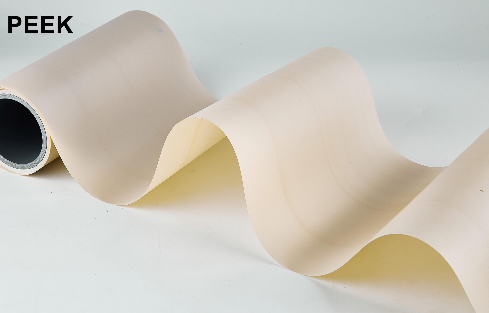
Electric motor insulation is a foundational element of modern drive systems. It determines electrical safety, thermal performance, mechanical durability, and ultimately the reliability of motorized equipment across industrial, automotive, and appliance sectors. This article presents an engineer-level overview of motor insulation and electric motor insulation selection criteria for B2B stakeholders, and highlights supplier capabilities like those of Sui On Insulating.
Functional requirements and classification of motor insulation
Electric motor insulation must provide turn‑to‑turn, phase‑to‑phase, and phase‑to‑ground isolation while withstanding thermal and mechanical stresses. Insulation systems are often classified by thermal class, dielectric strength, and physical form (films, papers, tapes, varnishes). Materials such as Nomex® aramid papers, polyimide films, and specialized laminates are selected where thermal endurance, mechanical strength, and low dielectric loss are required. For automated production, material consistency and process compatibility are crucial; suppliers like Sui On Insulating provide material data and processed components to expedite qualification.
Dielectric behavior, partial discharge, and high‑frequency effects in drive systems
Modern drives often use pulse-width modulation with fast edge rates that increase voltage stress and risk of partial discharge in insulation. Electric motor insulation must be evaluated for PDIV under expected switching frequencies, along with dielectric absorption and surface tracking resistance. Materials with low dielectric losses reduce heating under high-frequency operation, supporting higher efficiency and longer life. Sui On Insulating supplies insulation products and test data that help designers assess high-frequency dielectric performance.
Manufacturing integration and lifecycle considerations
Insulation selection impacts manufacturability—cutting accuracy, lamination behavior, impregnation outcomes and long-term maintainability. Materials with low extractables, consistent thickness, and good adhesive compatibility minimize defects and rework. For B2B procurement, require supplier certifications (ISO9001, IATF16949) and traceability to ensure consistent quality. Sui On Insulating’s processing capabilities and sample provision enable manufacturers to validate production flows and reduce ramp-up risk.
Operational guidance: match insulation to drive system stressors
Specify electric motor insulation by combining electrical, thermal, and mechanical performance targets with process compatibility and supplier support. For higher switching speeds and elevated temperatures, prioritize materials with proven thermal class. Engaging experienced suppliers such as Sui On Insulating reduces qualification time and supports robust drive system deployments.
