

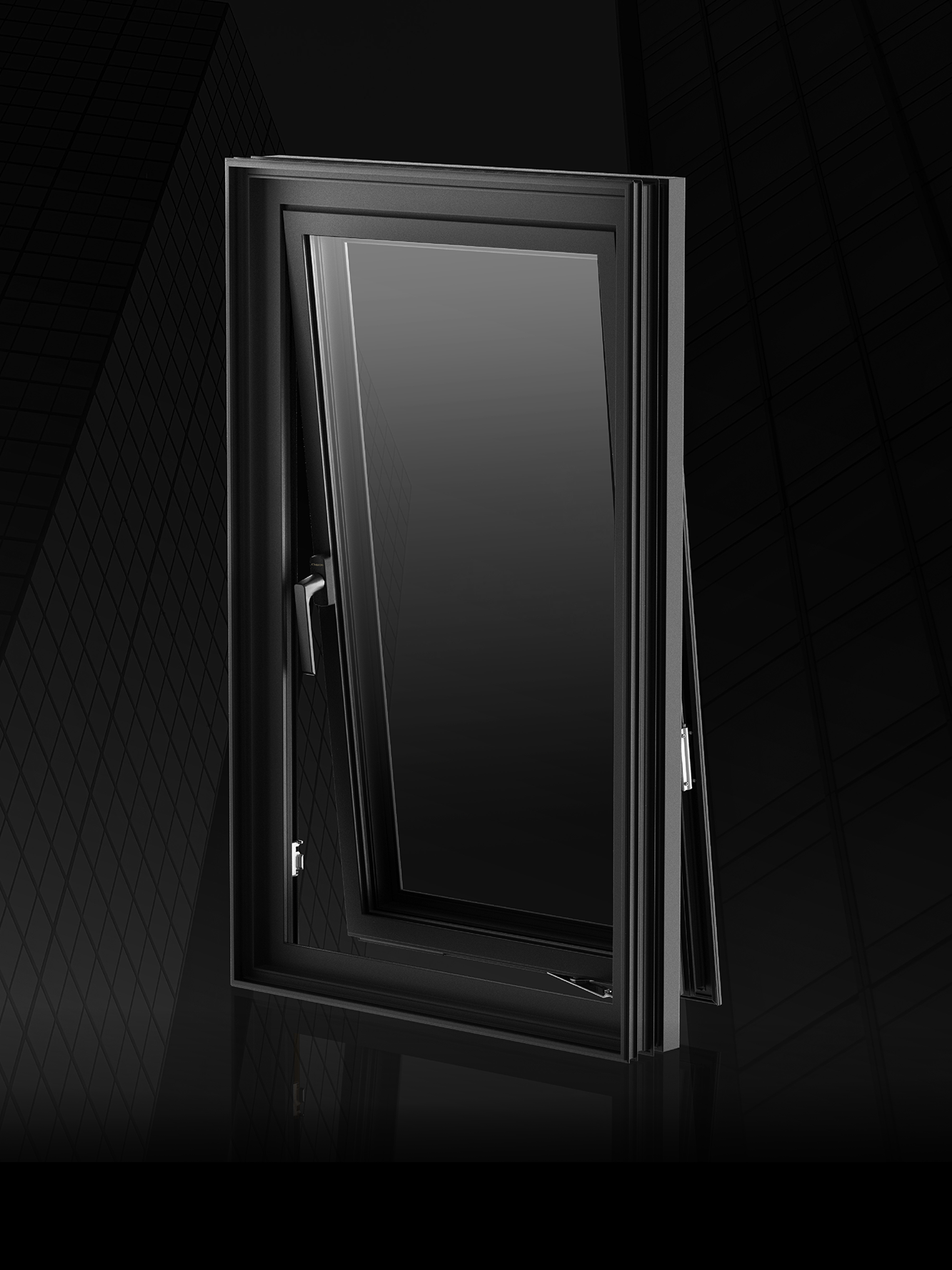
In modern architectural design, selecting the right functional components is critical for long-term structural integrity. Developers and architects require systems that offer reliable operation across commercial and luxury residential projects. A door slab relies entirely on its mechanical components to function. Without properly specified hardware, heavy panels will inevitably experience operational friction, sagging, or alignment issues over time. This makes the engineering behind these systems a primary focus for building professionals.
CMECH operates as a global specialist in door and window hardware solutions systems. The brand provides comprehensive solutions engineered for durability, user comfort, and structural stability. By focusing on rigorous testing and premium materials, CMECH supports mid-to-high-end projects with standardized, dependable products. Their engineering ensures that large architectural openings maintain smooth functionality while reducing long-term maintenance costs for property owners and facility managers.
Core Components of Interior Sliding Door Hardware Solutions
A complete architectural sliding system requires several integrated parts to function seamlessly. The essential mechanical solution consists of tracks, rollers, handles, and locking points. These elements allow a heavy door panel to glide horizontally with minimal resistance. In professional installations, skipping or under-specifying any single component results in noticeable performance drops. Therefore, coordinating these parts ensures that the entire system can handle the required static and dynamic loads.
Evaluating Track Styles for Load Distribution
The track provides the foundational pathway for horizontal movement. In heavy-duty applications, the track must remain perfectly level to prevent the rollers from working against gravity. Professional installations often utilize reinforced tracks designed to manage substantial weights without deforming. For oversized residential or commercial doors, the track configuration must align with the specific panel dimensions and glass thickness to ensure smooth, consistent operation throughout the building’s lifecycle.
Roller Specifications for Interior Sliding Door Hardware Solutions
Rollers carry the panel weight and enable the smooth glide that users expect. For coastal or high-humidity environments, material selection is vital. CMECH provides a sliding door roller utilizing a 304 stainless steel bracket with a triple-layer adjustable design. This specific engineering choice prevents corrosion while maintaining structural integrity under heavy daily usage. Hardware longevity is directly tied to these material choices and rigorous operational testing.
Load capacity dictates whether the hardware can safely support the door panel. The CMECH roller system has been tested to 120,000 cycles and is rated to carry loads up to 300 kg. This robust specification is highly relevant for heavy architectural glass panels used in luxury hospitality and commercial developments. Correctly rated rollers prevent long-term issues like increased operating resistance and premature wear.
Handle Options and Window Wardware Integration
Handles must balance ergonomic design with mechanical durability. Developers often coordinate interior sliding door hardware solutions with exterior window hardware solutions to maintain visual consistency throughout a property. CMECH offers several distinct handle options tailored for varying project requirements. The Milan Series handle is machined from a single piece of aluminum alloy, featuring a mounting screw rated to withstand 2,000 N of force to prevent long-term wobble.
For projects requiring slim profiles, the Metro Series handle incorporates the handle and lock into one unit. It uses a linear ball-bearing mechanism rated beyond 100,000 cycles and maintains a narrow 30 mm profile. This configuration suits doors with integrated screen sashes. Alternatively, the Recessed Handle with T-Drive features a patented ball-bearing locking mechanism resisting over 100 N of prying force, ideal for concealed hardware applications.
Advanced Lift and Slide Mechanisms
Standard sliding mechanisms may struggle with oversized, heavy door panels. Lift and slide systems offer a specialized solution by lifting the door panel slightly before horizontal movement begins. This reduces friction between the sealing components and the track. CMECH provides lift and slide configurations designed to support significant architectural loads. When the handle rotates, the door sash rises from the frame, allowing smooth movement for heavy panels.
The capacity of these advanced systems accommodates large-scale architectural designs. CMECH lift and slide systems support sash widths ranging from 720 mm to 3,300 mm and sash heights from 1,800 mm to 2,700 mm. The load-bearing capacity ranges from 200 kg up to 450 kg. This allows architects to specify expansive glass surfaces that maximize natural light without sacrificing usability or compromising the building envelope’s integrity.
Espagnolette Mechanisms and Security Features
Secure locking mechanisms provide essential safety for commercial and residential properties. The drive mechanism within a lift and slide door configuration often features speed reduction to prevent handle rebound during operation. An integrated lock point and drive are concealed directly within the door sash. This concealed design improves overall security while maintaining a clean, architectural appearance. The handle drive structure self-adjusts to ensure a tight, wobble-free fit over time.
Ensuring Consistency Across the Building Envelope
Procuring hardware for a large-scale development requires attention to compatibility. Beyond doors, specifying reliable window hardware solution is equally important for overall building performance. CMECH provides an integrated approach, ensuring that window hardware solution and door systems function cohesively. This unified sourcing strategy reduces compatibility risks, streamlines installation, and provides consistent aesthetic and functional quality across all access points in a commercial or premium residential project.
Long-Term Performance and Maintenance
Long-term performance relies on both component quality and installation accuracy. Even highly rated systems require precise setup. Checking the track level and adjusting the roller height ensures the panel moves freely without dragging. By adhering to specified weight limits and maintenance guidelines, property developers can maximize the lifespan of their investment. High-quality systems from CMECH reduce the frequency of hardware replacements and associated maintenance costs.
All hardware specifications, performance data and material parameters are sourced from CMECH official product manuals and certified test reports.
