

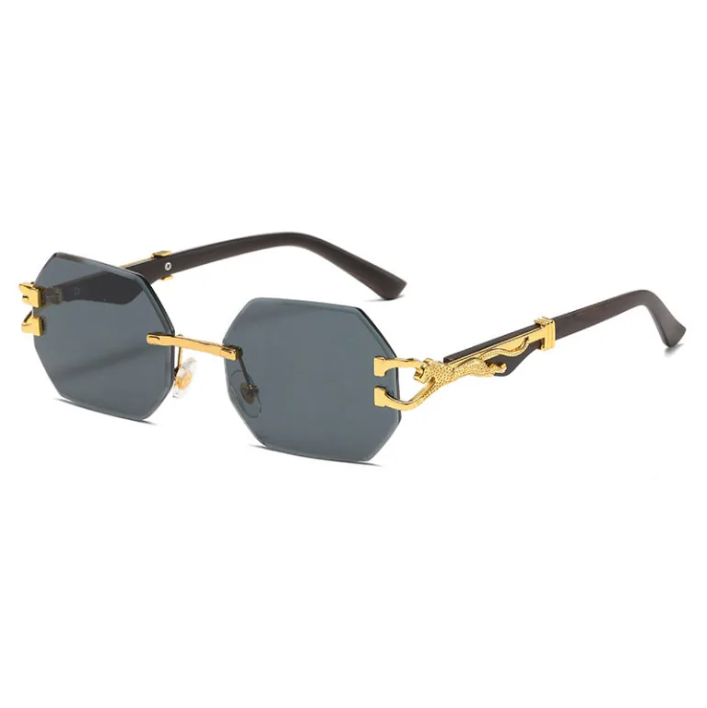
Choosing the right material for optical frames is an important decision for eyewear brands, retailers, and distributors. Different frame materials influence product appearance, wearing comfort, durability, and market positioning. Metal and acetate are two commonly used materials in the eyewear industry, and each has different characteristics for various customer groups.
When working with a glasses frame manufacturer, buyers usually need to consider more than just the appearance of a frame. Factors such as production process, target market, cost control, and customisation options also affect the final product selection. Understanding the differences between metal and acetate frames can help businesses make more suitable purchasing decisions.
Understanding the Characteristics of Metal Frames
Metal frames are widely used in optical eyewear because of their lightweight structure and clean appearance. Materials such as stainless steel, aluminium alloy, and other metal combinations are commonly applied in frame production. These materials allow manufacturers to create thin and modern designs that fit professional and minimalist styles.
For optical shops and fashion brands, metal frames can attract customers who prefer a simple appearance. They are often suitable for office workers, business users, and consumers who look for lightweight daily eyewear. The frame structure can also support different design ideas, including classic round shapes and contemporary styles.
However, metal frames require careful production control. Welding, surface treatment, and coating processes can influence the final quality. A reliable supplier needs to check frame strength, surface finishing, and component connection during production to reduce possible quality issues.
Why Acetate Frames Remain Popular in the Market
Acetate frames are known for their rich colours, patterns, and design flexibility. Compared with traditional plastic materials, acetate offers more options for creating unique appearances. Many fashion eyewear brands choose acetate because it supports creative designs and helps products match different style trends.
For distributors and brand owners, acetate frames provide more possibilities for product differentiation. Transparent colours, layered patterns, and customised shapes can create different visual effects. This makes acetate a suitable choice for brands that focus on fashion elements and seasonal collections.
Material quality is an important consideration when purchasing acetate eyewear. Frame thickness, polishing methods, and production skills all affect the final appearance and wearing experience. Professional suppliers usually conduct inspections during manufacturing to check details such as frame surface, lens fitting, and overall structure.
How a Glasses Frame Manufacturer Evaluates Material Selection
A professional glasses frame manufacturer usually recommends materials based on the customer’s business needs rather than choosing one option for every project. Retail channels, price range, customer preferences, and product positioning all influence the decision between metal and acetate.
For example, optical stores may require lightweight frames suitable for daily prescription use. Fashion accessory brands may prefer acetate designs because they can create stronger visual identity. Wholesale buyers also need to consider production quantity, delivery schedules, and future product updates before confirming materials.
JHEYEWEAR provides different eyewear solutions, including sunglasses, reading glasses, optical frames, and related accessories. They support OEM and ODM projects for businesses that need customised designs or private branding. Customers can request logo customisation according to their product requirements.
Comparing Production Requirements and Business Considerations
From a manufacturing perspective, metal and acetate frames involve different production processes. Metal frames usually require steps such as cutting, welding, polishing, and surface coating. Acetate frames often need processes including shaping, polishing, and colour control to achieve the expected design effect.
For wholesale customers, production flexibility is also an important factor. JHEYEWEAR offers ready-stock products with a minimum order quantity of 300 pcs, while customised OEM/ODM products typically start from 300 to 600 pcs per model. This allows different types of buyers to select solutions based on their sales plans and brand development needs.
Delivery time is another consideration for eyewear businesses. Stock products can usually be shipped within 3–5 days, while customised styles generally require 15–40 days depending on design and order quantity. Quality inspection is also included during production, with pre-shipment inspection reports, photos, and videos provided for buyer confirmation.
Making the Right Choice for Different Eyewear Markets
When deciding between metal and acetate, buyers should first understand their target customers. A premium fashion collection may focus more on design variety, while a practical optical range may prioritise comfort and durability. The right material depends on the role of the product in the market.
Material selection also affects brand development. Businesses that frequently launch new collections may need suppliers with flexible design support and production experience. JHEYEWEAR has more than 10 years of export experience and works with international customers to provide eyewear products for different markets.
Packaging and product protection are also part of the purchasing process. Their eyewear products use lens protection at both ends and OPP bag packaging to support safer transportation. These details help wholesale buyers manage inventory and prepare products for retail distribution.
Choosing Materials Based on Long-Term Product Planning
The choice between metal and acetate frames depends on design goals, customer expectations, and business requirements. Neither material is suitable for every application, so buyers need to review product positioning before making decisions. A suitable supplier can provide support from material selection to final production.
For companies searching for a reliable glasses frame manufacturer, cooperation should include product quality, customisation ability, delivery support, and communication efficiency. By evaluating these factors, businesses can build eyewear collections that match market needs and customer preferences.
JHEYEWEAR continues to provide optical frames, sunglasses, reading glasses, and eyewear accessories for global B2B customers. With OEM/ODM support, flexible order options, and production experience, they help partners develop suitable eyewear products for different sales channels. For buyers comparing metal and acetate frames, selecting a supplier with practical manufacturing knowledge can support better product planning.
